So you’re thinking about starting a forex brokerage. Good move — the global currency market moves trillions of dollars every single day, and there’s real room for new players. But here’s the question that trips up almost everyone at the start: where should you actually register your company?
If you’re reading this from Mauritius or anywhere else in the region, you already know that local rules around trading and financial services can be restrictive, slow, or simply not built for a forex business. That’s exactly why so many founders look offshore.
In this guide, we’ll walk you through the five best jurisdictions for offshore company formation for forex trading, and then we’ll go deep on the one that consistently comes out on top for serious brokers: Mauritius.
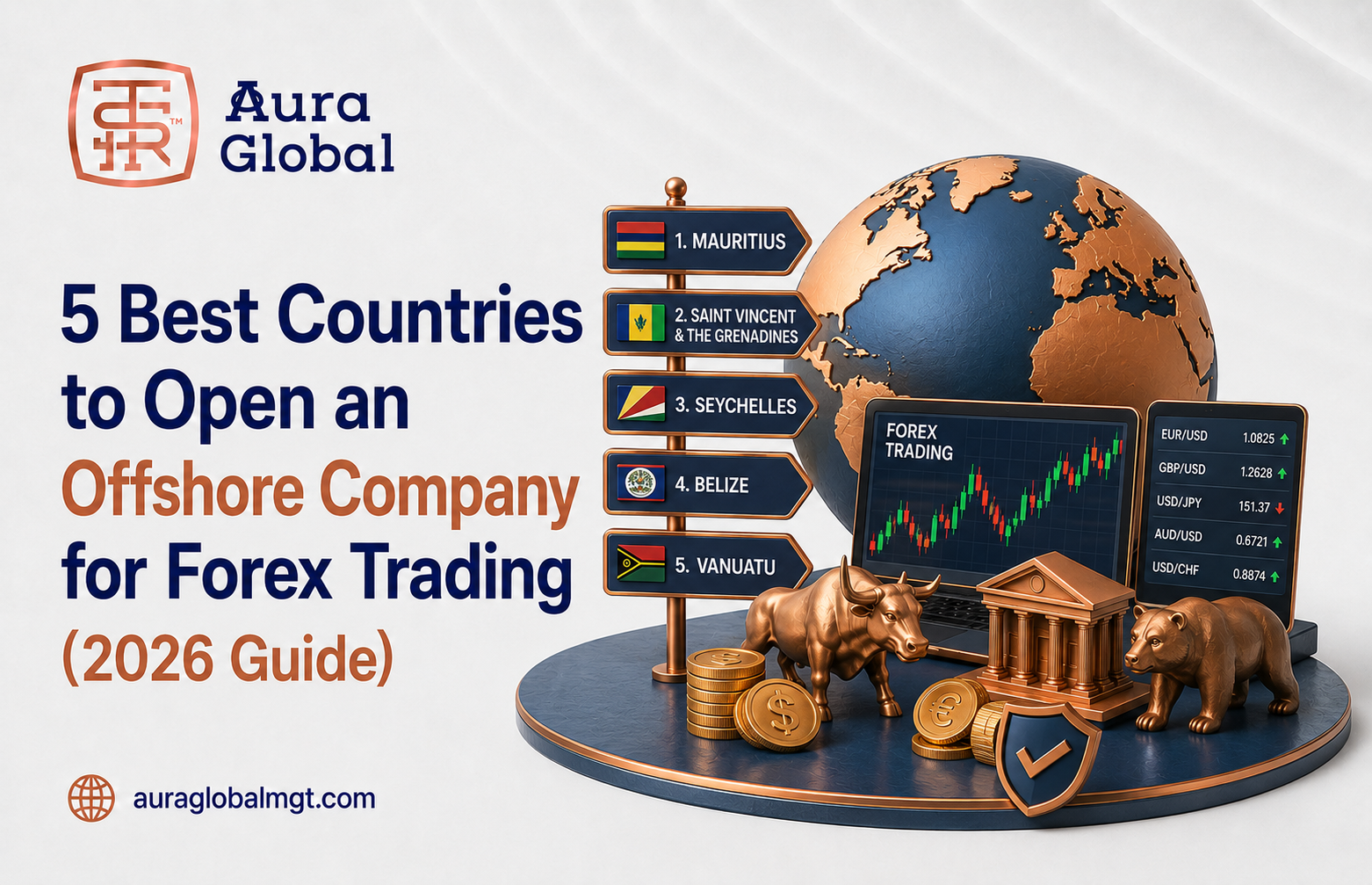
Quick Answer: The 5 Best Offshore Jurisdictions for Forex Trading
If you only have 30 seconds, here’s your shortlist:
- Mauritius – Best overall balance of credibility, low tax, and fast licensing (Investment Dealer License)
- Seychelles – Cheapest and quickest, good for smaller start-up brokers
- Belize – Popular legacy jurisdiction, moderate reputation
- British Virgin Islands (BVI) – Strong for asset protection and holding structures
- Vanuatu – Low cost, though facing increasing scrutiny from banks and payment providers
For most founders serious about long-term growth, Mauritius Forex License options offer the strongest mix of regulatory respect and business flexibility — which is why we’ll spend most of this guide on it.
What Is an Offshore Company for Forex Trading?
An offshore company for forex trading is a business entity you register outside your home country, specifically to hold a Forex Broker License and operate a currency trading or brokerage service internationally.
Think of it like this: instead of setting up your brokerage in a market with heavy restrictions or high tax, you incorporate in a jurisdiction built for financial services. You still serve clients around the world — you’re just doing it from a base designed for Offshore Business Consultants, brokers, and fund managers to actually thrive.
How Offshore Forex Company Formation Works
Here’s the general flow, before we get into jurisdiction-specific detail:
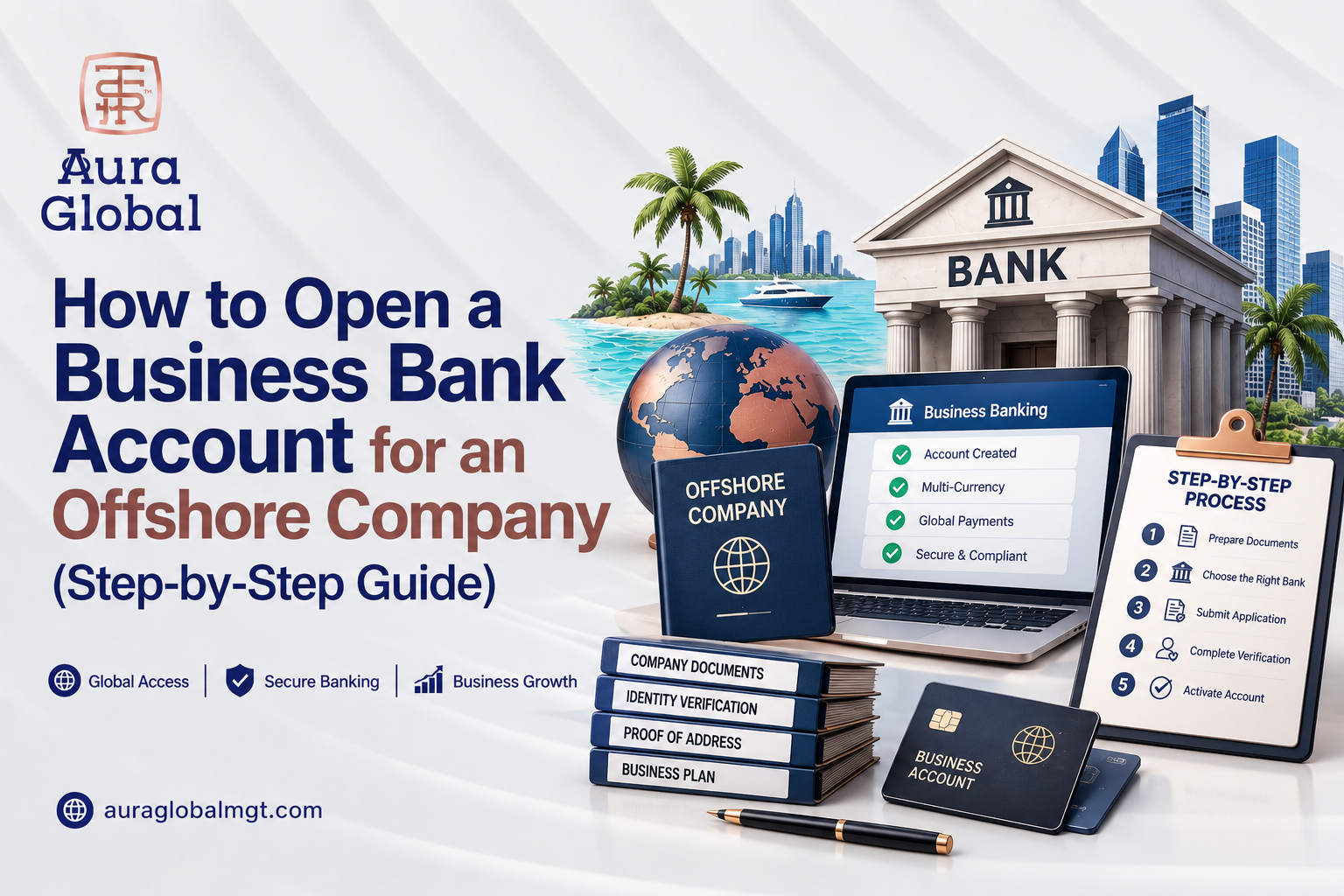
- 1. Choose your jurisdiction based on reputation, cost, and licensing speed
- 2. Incorporate your company (in Mauritius, this usually means a Global Business Company)
- 3. Meet local substance requirements — office space, resident directors, local staff
- 4. Apply for your Forex Broker License with the relevant regulator
- 5. Open a corporate bank account and deposit your minimum capital
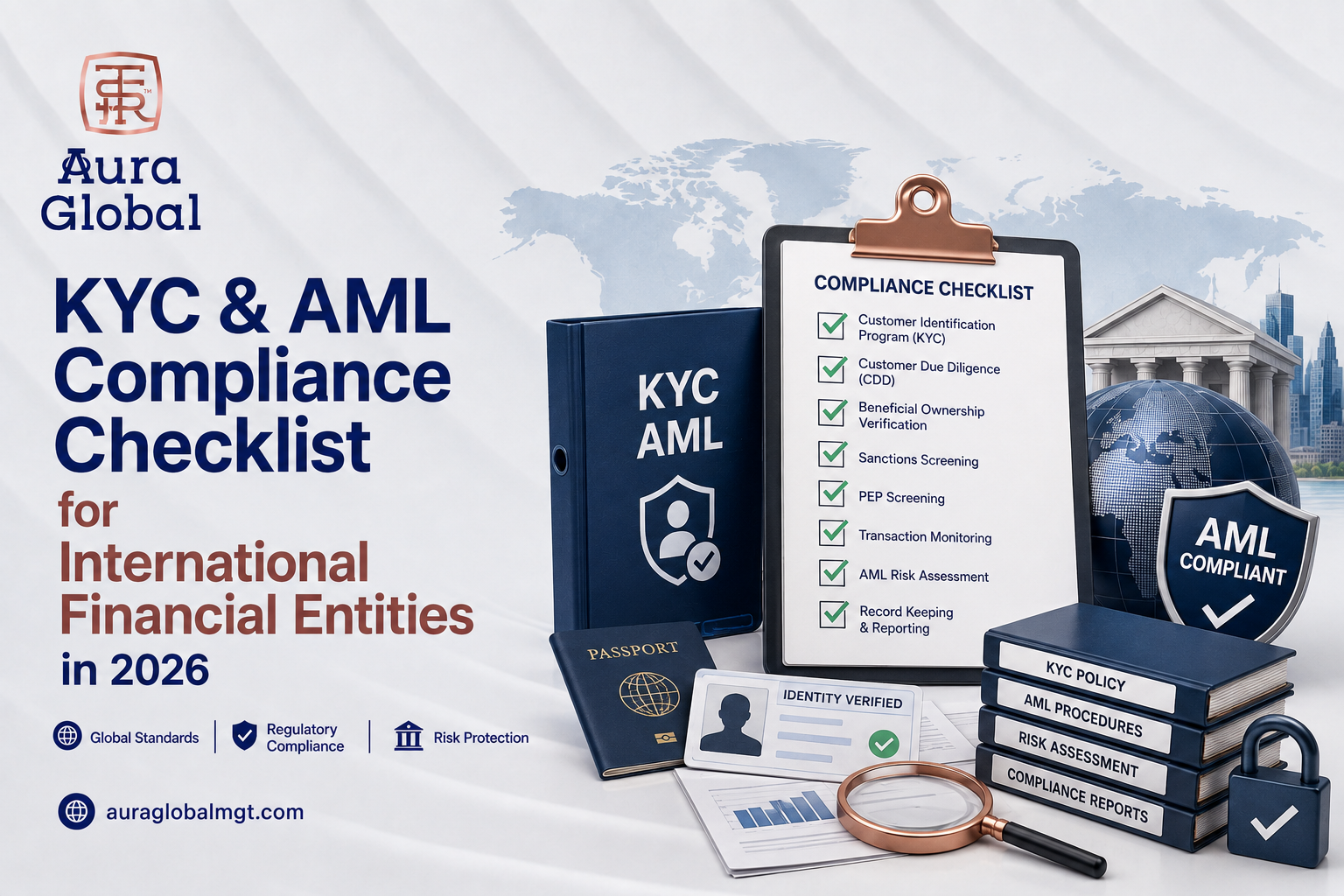
- 6. Set up compliance — AML/KYC policies, a Compliance Officer, and an MLRO
- 7. Launch once your license and platform are approved
Each step above is manageable on its own, but the jurisdiction you pick changes the entire timeline and cost. That’s the decision that matters most.
Benefits of Going Offshore for Your Forex Business
- Lower corporate tax — Mauritius offers an effective rate around 3%, with no capital gains or dividend tax for Global Business Companies
- Faster licensing compared to onshore regulators like the FCA or CySEC
- International credibility — jurisdictions that follow FATF and OECD standards are trusted by banks and liquidity providers
- Access to new markets — Mauritius, for example, is a natural gateway to Africa and Asia
- Asset protection structures — trusts, foundations, and Protected Cell Companies (PCC) shield your business and personal wealth
Risks and Things to Watch Out For
Offshore doesn’t mean unregulated, and it definitely doesn’t mean effortless. A few honest risks:
- Compliance workload — quarterly reports, annual audits, and ongoing AML obligations
- Substance requirements — you can’t just rent a mailbox; regulators expect real local presence
- Reputational differences — not all offshore jurisdictions are viewed equally by banks and payment processors
- Evolving regulation — jurisdictions like Mauritius have tightened rules in recent years to stay off the FATF grey list, which is good for credibility but means the bar keeps rising
This is exactly where working with experienced Offshore Business Consultants like Aura Global saves you from expensive mistakes.
The 5 Countries, Compared
1. Mauritius — Best Overall for Credibility and Tax Efficiency
Mauritius has built a genuine reputation as one of Africa’s leading Financial Services hubs, regulated by the Financial Services Commission (FSC) under the Securities Act 2005. It’s a member of IOSCO and complies with FATF standards, which matters enormously when banks and liquidity providers are deciding whether to work with you.
2. Seychelles — Fastest and Cheapest
Seychelles licenses are quick to obtain and cost less upfront. The trade-off is a lighter regulatory reputation, which can make banking relationships harder to secure over time.
3. Belize — The Legacy Choice
Belize has long been a go-to for smaller forex operations, but many banks now apply extra scrutiny to Belize-registered brokers.
4. British Virgin Islands (BVI) — Strong for Structuring
BVI is less about licensing speed and more about clean holding structures and asset protection, often paired with a licensed entity elsewhere.
5. Vanuatu — Low Cost, Rising Scrutiny
Vanuatu remains inexpensive, but payment providers and banks have grown more cautious about Vanuatu-based brokers in recent years.
Why Mauritius Is the Top Choice: Forex Trade License in Mauritius Explained
Here’s where we go deep, because if you’re serious about this business, Mauritius deserves your full attention.
What Is the Mauritius Investment Dealer License?
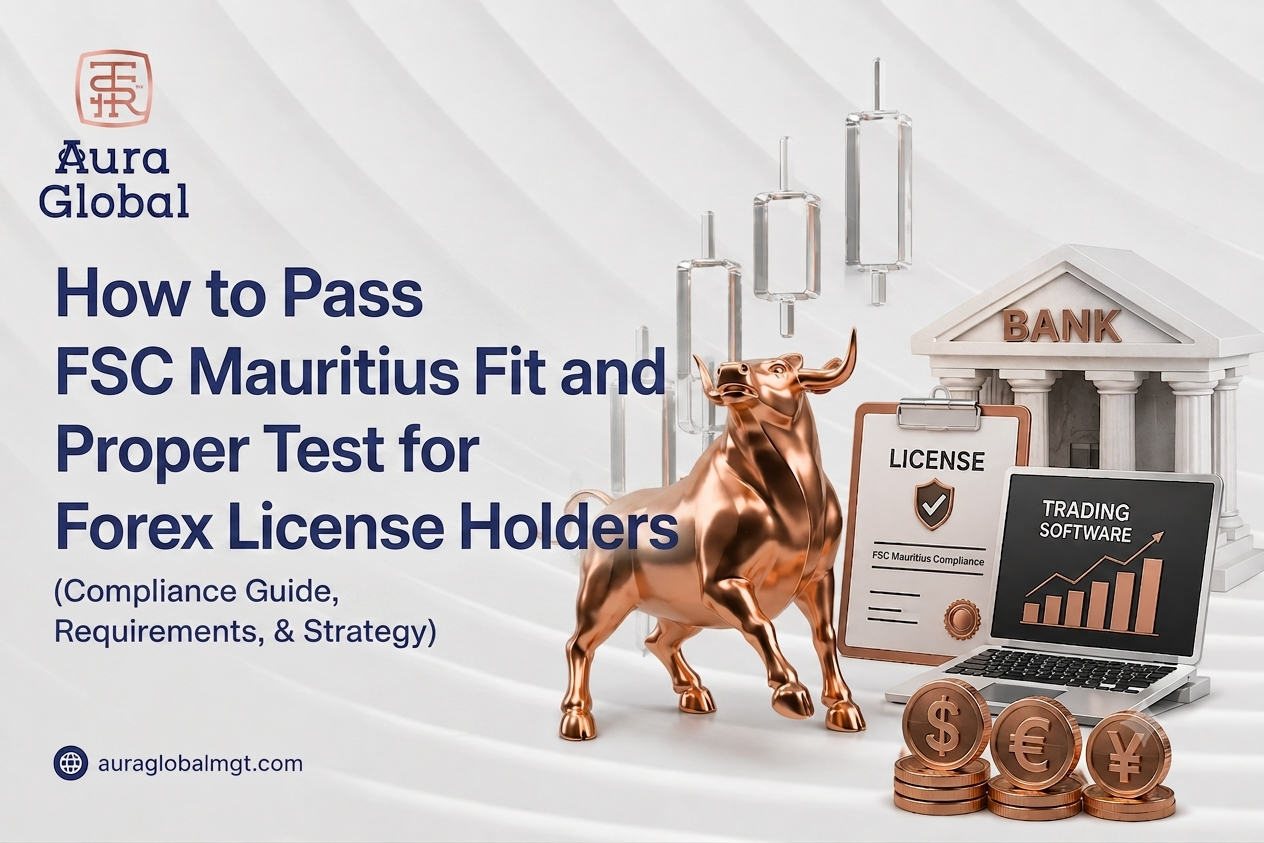
What most people call a “forex broker license in mauritius” is officially the Investment Dealer License, issued by the FSC under the Securities Act 2005. It authorizes your company to execute trades, manage client portfolios, give investment advice, and operate as a forex or CFD broker internationally.
Mauritius Forex License Requirements
To apply for the Mauritius Investment Dealer License, you’ll typically need:
- A Global Business Company (GBC) incorporated in Mauritius
- Minimum capital of roughly $21,500–$25,000 for a Full Service Dealer license
- At least two qualified resident directors with financial services experience
- A local Compliance Officer and MLRO (Money Laundering Reporting Officer)
- A registered local office — not a mailbox address
- A detailed business plan and trading platform documentation
- A local bank account to deposit your share capital
Mauritius Forex License Application Process
- Incorporate your Global Business Company in Mauritius
- Appoint your resident directors, Compliance Officer, and MLRO
- Prepare your business plan, AML/CFT policy, and platform details
- Submit your application to the FSC
- Respond to FSC queries during review (typically 3–6 months)
- Open your bank account and deposit capital once approved
- Launch your licensed brokerage
Beyond the Forex License: Other Mauritius Structures Worth Knowing
Aura Global also helps clients structure their business using:
- Protected Cell Company (PCC) Mauritius — segregates assets and liabilities across different “cells,” useful for multi-fund or multi-client setups
- Mauritius Trust / Offshore Trust Mauritius — for long-term wealth structuring and succession planning
- Mauritius Foundation — a flexible alternative to a trust for asset protection
- Authorised Company Mauritius — a lighter-touch structure for businesses not seeking FSC licensing
- CIS Manager License Mauritius — for those managing Collective Investment Schemes or funds rather than running a straight brokerage
If forex isn’t your only goal — say you also want to manage funds or protect family assets — a combined structure (GBC plus a Trust or Foundation) is worth discussing with your Mauritius Management Company.
Expert Tips Before You Apply
- Don’t rush your business plan. The FSC evaluates dozens of criteria, and a weak plan is the most common reason for delays.
- Hire local expertise early. Your resident directors and MLRO need real financial services experience — this isn’t a box-ticking exercise.
- Budget for ongoing compliance, not just the license fee. Annual audits and quarterly reporting are mandatory.
- Work with a licensed Mauritius Management Company to handle incorporation and liaise with the FSC on your behalf — it meaningfully shortens your timeline.
Conclusion: Ready to Set Up Your Offshore Forex Company?
Choosing where to base your forex brokerage is one of the biggest decisions you’ll make as a founder. Mauritius consistently stands out for its balance of low tax, strong regulatory reputation, and access to Africa and Asia — but the application process rewards careful preparation.
Aura Global has helped founders across the region navigate Offshore Company Setup, Company Formation Mauritius, and full Forex License Consultation from start to finish. If you’re ready to move forward, Contact AURA Global today for a free consultation.
Frequently Asked Questions
1. What is the minimum capital required for a Mauritius forex broker license?
A Full Service Dealer license typically requires minimum capital of around $21,500 to $25,000, depending on the license category and current FSC rules.
2. How long does it take to get a forex license in Mauritius?
Most applications take between 3 and 6 months, assuming your documentation is complete and you respond quickly to FSC queries.
3. Do I need a physical office in Mauritius to get licensed?
Yes. The FSC requires genuine local substance, including a registered office (not a mailbox), resident directors, and at least one local employee.
4. Is Mauritius a good jurisdiction for forex trading compared to Seychelles or Belize?
Mauritius generally offers stronger international credibility and better banking relationships, though Seychelles can be faster and cheaper for smaller start-ups.
5. What’s the difference between a Global Business Company and an Authorised Company in Mauritius?
A Global Business Company (GBC) is used for licensed activities like forex brokerage and pays a low effective tax rate. An Authorised Company is a lighter structure generally used for businesses that don’t require FSC licensing.
6. Can Aura Global help with the entire Mauritius licensing process?
Yes — Aura Global supports company incorporation, FSC license applications, local director and MLRO appointments, and ongoing compliance as your Mauritius Offshore Consultants partner.