Starting your own Forex brokerage in 2026 is one of the most lucrative ventures in the global financial services industry. However, one question always comes up first: How much does it actually cost to start a Forex brokerage?
On average, starting a Forex brokerage in 2026 requires an initial investment ranging from $30,000 to over $300,000, depending on your choice of Forex licensing jurisdictions, trading software, operational setup, and corporate banking solutions.
In this comprehensive guide, we will break down every single cost associated with launching a successful Forex brokerage—from securing an Investment Dealer License in Mauritius to setting up trading platforms and liquidity connections.
Quick Summary: Total Cost Breakdown at a Glance
If you are looking for a quick estimate, here is a quick overview of what you can expect to invest in your Forex business setup:
- Forex Broker License (Offshore/Mid-tier): $15,000 – $100,000+
- Trading Software & CRM (White Label vs. Main Label): $5,000 – $50,000
- Corporate & Forex Banking Setup: $3,000 – $15,000
- Liquidity Provider Integration: $5,000 – $20,000
- Company Incorporation & Legal Fees: $5,000 – $15,000
- Website, Branding & Hosting: $3,000 – $10,000
- Total Estimated Initial Capital: $36,000 – $210,000+
Understanding the Forex Brokerage Business Model
Before diving deep into expenses, you need to understand how a Forex brokerage functions. A Forex broker acts as a gateway connecting retail traders to the global foreign exchange market.
To run a fully compliant and functional brokerage, your business relies on four core pillars:
- Legal Entity & Regulation: Your Forex trade license and legal corporate structure.
- Trading Infrastructure: The trading software, customer relationship management (CRM) system, and client portal.
- Financial Infrastructure: Corporate bank accounts, merchant accounts, and payment gateway providers (PSPs).
- Liquidity & Execution: Connecting your platform to tier-1 banks or prime liquidity brokers to execute trades seamlessly.
Understanding how these components interact helps you choose the right options for your budget without overspending on unnecessary infrastructure.
Key Benefits of Launching Your Own Forex Brokerage
Building a Forex brokerage gives you full ownership over your brand and financial future. Here is why entrepreneurs continue to enter this market:
- High Profitability Margins: Revenue comes from trading spreads, commissions, overnight swaps, and volume-based rebates.
- Scalable Business Model: Once your core software and banking are active, adding thousands of new clients incurs minimal additional costs.
- Global Reach: You can attract traders from around the world using digital marketing and affiliate networks.
- Diversified Revenue Streams: You can earn money as an A-Book broker (straight-through processing) or a B-Book broker (market maker), or use a hybrid model.
Step-by-Step Breakdown of Forex Brokerage Costs
+-----------------------------------------------------------------------+
|                   TOTAL FOREX BROKERAGE COSTS                        |
|                     ($36,000 - $210,000+)                             |
+-----------------------------------------------------------------------+
        |                  |                     |                   |
        v                  v                     v                   v
+---------------+  +---------------+  +---------------+  +---------------+
| 1. LICENSING  |  |  2. SOFTWARE  |  |  3. BANKING   |  | 4. OPERATIONS |
| $15k - $100k+ |  |  $5k - $50k   |  |  $3k - $15k   |  |  $10k - $45k  |
+---------------+  +---------------+  +---------------+  +---------------+
1. Forex Broker License Costs ($15,000 – $100,000+)
Your choice of regulation determines both your upfront cost and your brand’s credibility. Regulators generally fall into three tiers:
- Tier 1 (High Regulation & High Capital): UK (FCA), Australia (ASIC), Cyprus (CySEC). Costs exceed $200,000–$500,000+, with strict minimum capital requirements.
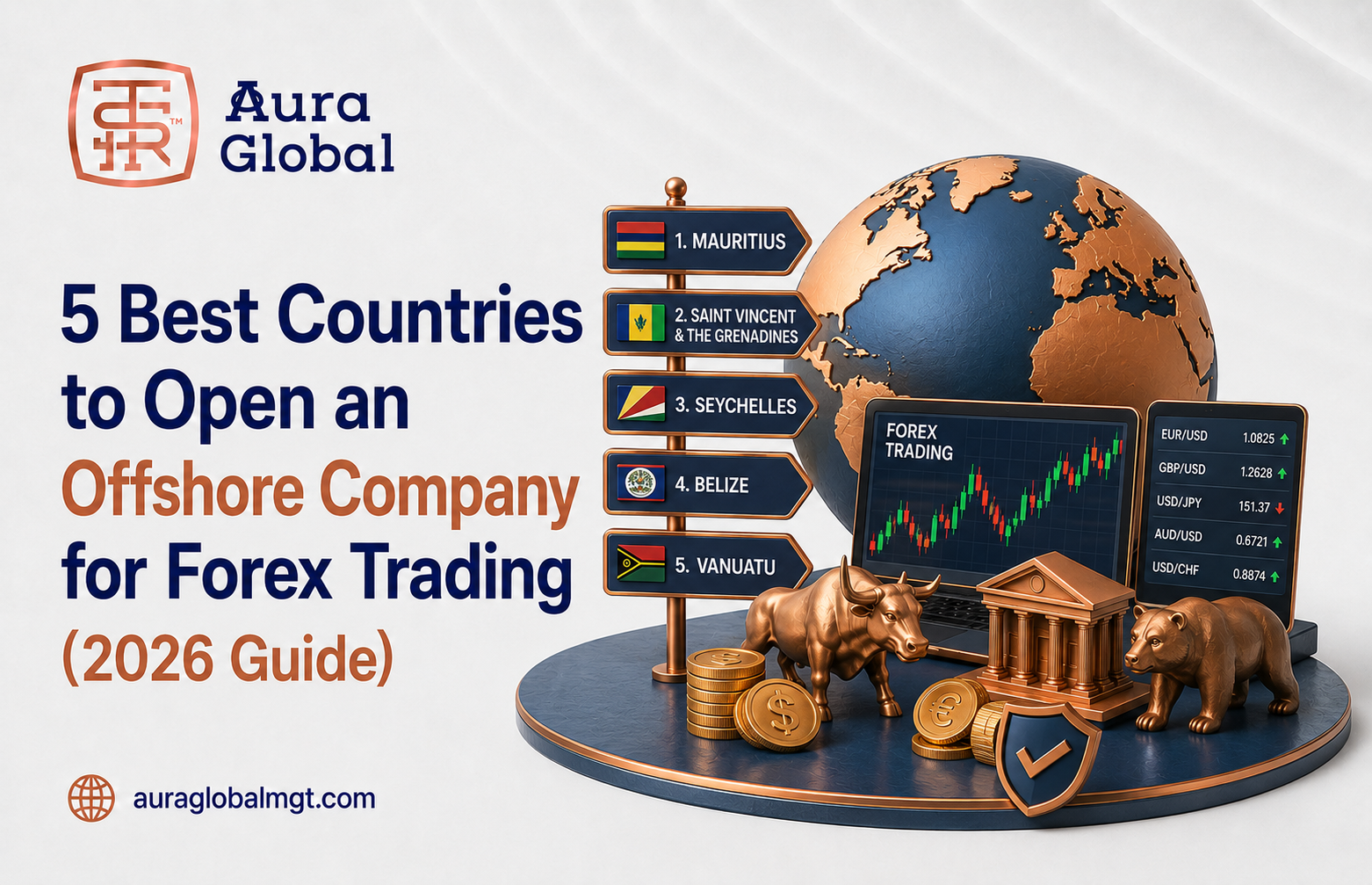
- Tier 2 (Mid-Tier & Highly Reputable): Mauritius (FSC), Seychelles (FSA). Costs range between $30,000 and $100,000.
- Tier 3 (Offshore Jurisdiction): St. Vincent & the Grenadines, Vanuatu. Costs range from $15,000 to $30,000.
Why Mauritius is a Top Choice for Forex Licensing
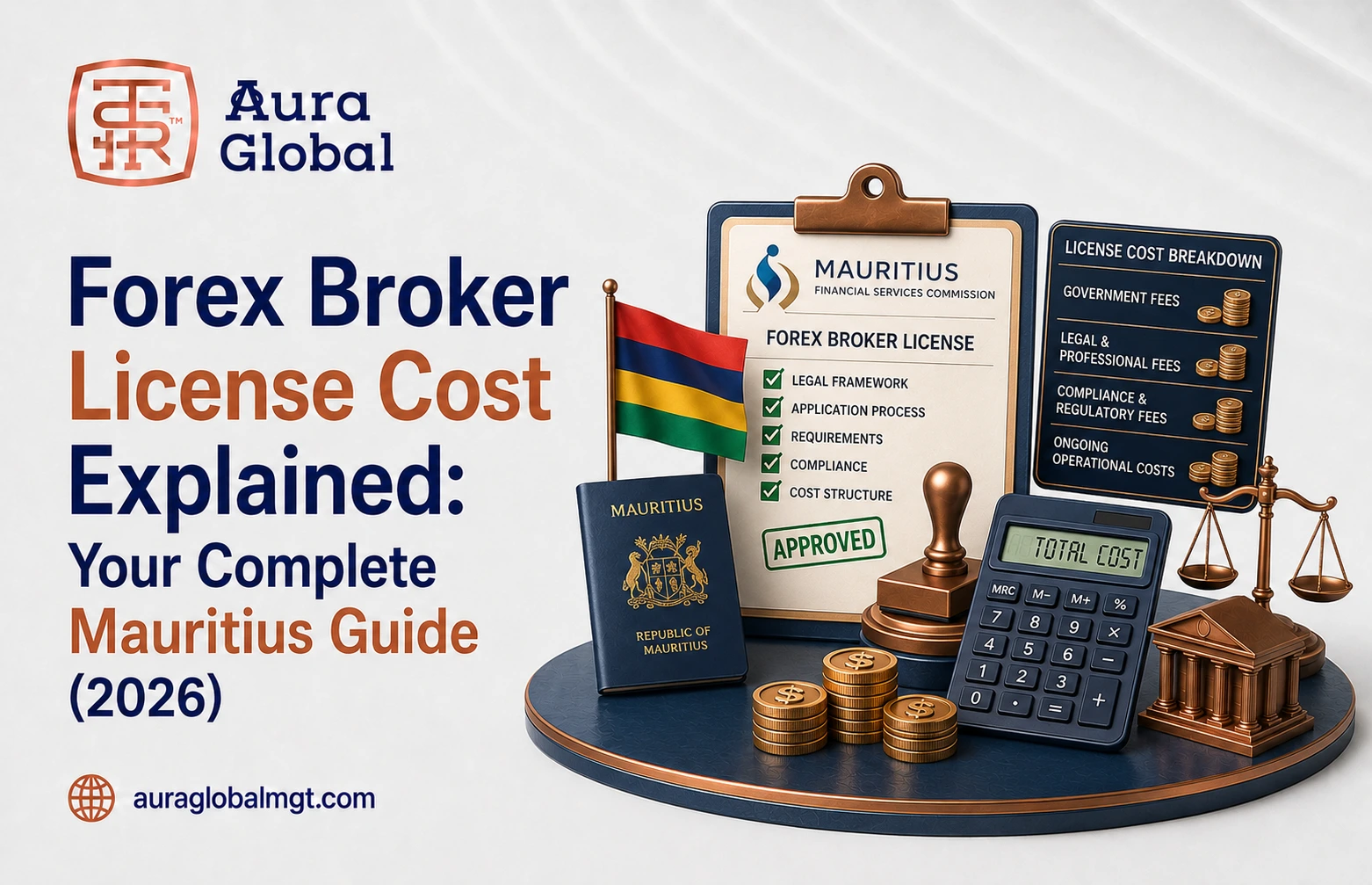
When evaluating the best offshore jurisdictions, the Mauritius Forex license stands out as a premier global choice. Regulated by the Financial Services Commission (FSC), an Investment Dealer License in Mauritius offers the perfect balance between global reputation, reasonable capital requirements, and favorable tax benefits.
Applying for a Forex trade license in Mauritius typically involves regulatory application fees, local physical office setup, fit-and-proper key person appointments, and compliance auditing. Navigating the Mauritius Forex license application process requires direct coordination with professional legal advisers to ensure full compliance with FSC standards.
2. Software and Trading Platform Setup ($5,000 – $50,000)
Your trading platform is the primary tool your clients interact with every day. You have two main routes when acquiring software:
White Label Solution
A White Label setup allows you to lease platform rights (such as MT4, MT5, or cTrader) from an existing broker or technology provider.
- Initial Setup Fee: $5,000 – $15,000
- Monthly Maintenance: $1,500 – $5,000
- Best For: Beginners looking to lower start-up risk and launch quickly.
Full Main Label License
Buying a direct server license gives you full independence and custom control.
- Initial Setup Fee: $50,000 – $100,000+
- Monthly Costs: $5,000+
- Best For: Established brokers with strong financial backing.
Alongside the trading platform, you will also need a Forex CRM and Trader’s Room ($2,000 – $5,000 setup fee), which lets clients deposit funds, verify KYC documents, and manage their trading accounts.
3. Banking Setup & Payment Gateways ($3,000 – $15,000)
Opening bank accounts for a Forex brokerage requires navigating strict Anti-Money Laundering (AML) and Know Your Customer (KYC) requirements.
Costs in this category include:
- Corporate Bank Account Application Fees: $2,000 – $5,000
- Payment Service Provider (PSP) Integration: $1,000 – $5,000 (enables credit card, wire transfer, and crypto deposits)
- Segregated Client Account Setup: Essential for keeping operational funds separate from trader deposits.
4. Operational Setup, Branding & Legal Fees ($8,000 – $25,000)
Launching your business also involves key operational essentials:
- Corporate Website & Security: High-performance, secure website with SSL, DDoS protection, and client portal integration ($3,000 – $8,000).
- Legal and AML Compliance: Drafting terms and conditions, privacy policies, and hiring an AML compliance officer ($5,000 – $12,000).
- Liquidity Integration: Connecting your bridge to liquidity providers ($2,000 – $5,000 setup).
Step-by-Step Guide to Launching Your Forex Brokerage
Follow this clear roadmap to launch your brokerage efficiently:
- Develop a Comprehensive Business Plan: Define your target geography, risk management model (A-Book vs. B-Book), and initial operating budget.
- Select Your Jurisdiction & Corporate Entity: Choose a regulatory environment like Mauritius based on your target market and budget constraints.
- Submit Your License Application: Prepare fit-and-proper documentation, legal manuals, and submit application files to local authorities.
- Secure Software & Technology Infrastructure: Partner with a proven technology vendor for your trading platform, Forex CRM, and liquidity bridge.
- Establish Banking & Payment Solutions: Open corporate bank accounts and integrate credit card, wire, and crypto PSPs.
- Launch Marketing & Client Acquisition: Build your IB (Introducing Broker) partner networks, digital marketing strategies, and customer support channels.
Risks to Consider When Starting a Brokerage
- Regulatory Changes: Financial regulations evolve rapidly. Choosing an unreliable jurisdiction can lead to unexpected license suspensions.
- Payment Processing Friction: High chargeback rates or unreliable PSPs can interrupt client deposits and cash flow.
- Under-Capitalization: Running out of operational capital for marketing and client acquisition before reaching profitability is a common pitfall.
Expert Tips for Minimizing Start-up Costs
- Start with a White Label Solution: Avoid purchasing expensive Main Label server licenses until your client base generates steady cash flow.
- Choose Mid-Tier Jurisdictions Wisely: Instead of extremely expensive licenses like CySEC, leverage jurisdictions like Mauritius that provide high international credibility at realistic operational costs.
- Outsource Compliance & Technical Support: Instead of hiring a full-time in-house tech and compliance team, partner with turnkey Forex service agencies like Aura Global Management to streamline setup costs.
Frequently Asked Questions (FAQs)
1. What is the cheapest way to start a Forex brokerage in 2026?
The most cost-effective approach is starting with a Forex White Label solution combined with an offshore entity or mid-tier regulation like Mauritius. This setup minimizes initial software capital expenditure and licensing costs, allowing you to launch with roughly $35,000 to $50,000 in total setup capital.
2. How long does it take to obtain a Forex broker license in Mauritius?
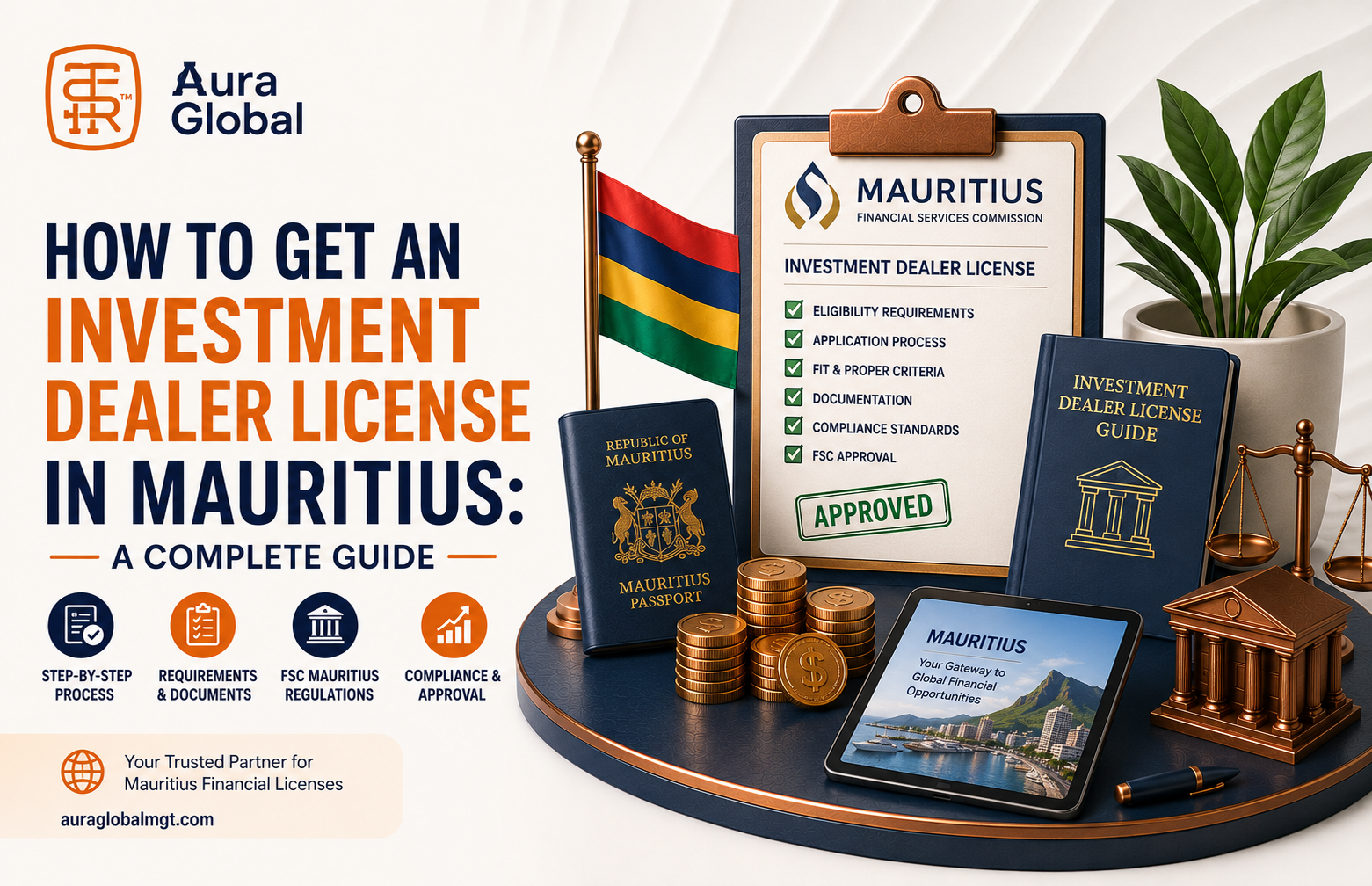
Obtaining an Investment Dealer License in Mauritius generally takes between 3 to 6 months, depending on the completeness of your application documents, background verification checks, fit-and-proper reviews, and response times from the Financial Services Commission (FSC).
3. What is the difference between a White Label and a Main Label Forex brokerage?
A White Label setup involves leasing trading platform access from a technology provider or existing broker, keeping upfront costs low ($5,000–$15,000). A Main Label broker purchases their own server directly from platform developers, giving them total platform control at a much higher initial price tag ($50,000–$100,000+).
4. Do I need physical office space to run a regulated Forex brokerage?
Yes, most reputable regulatory bodies, including those in mid-tier and Tier-1 jurisdictions, require a demonstrable physical presence or local economic substance. This usually includes a physical office address and local key officers such as a resident director or compliance manager.
5. How do Forex brokers generate revenue?
Forex brokers earn revenue primarily through trading spreads (the difference between bid and ask prices), transaction commissions, overnight swap fees, and leverage margins. Additionally, hybrid or B-Book brokers earn income by internalizing market risks on trading volume.